
A Glimpse of Central Asia, Hebei, 2026/06
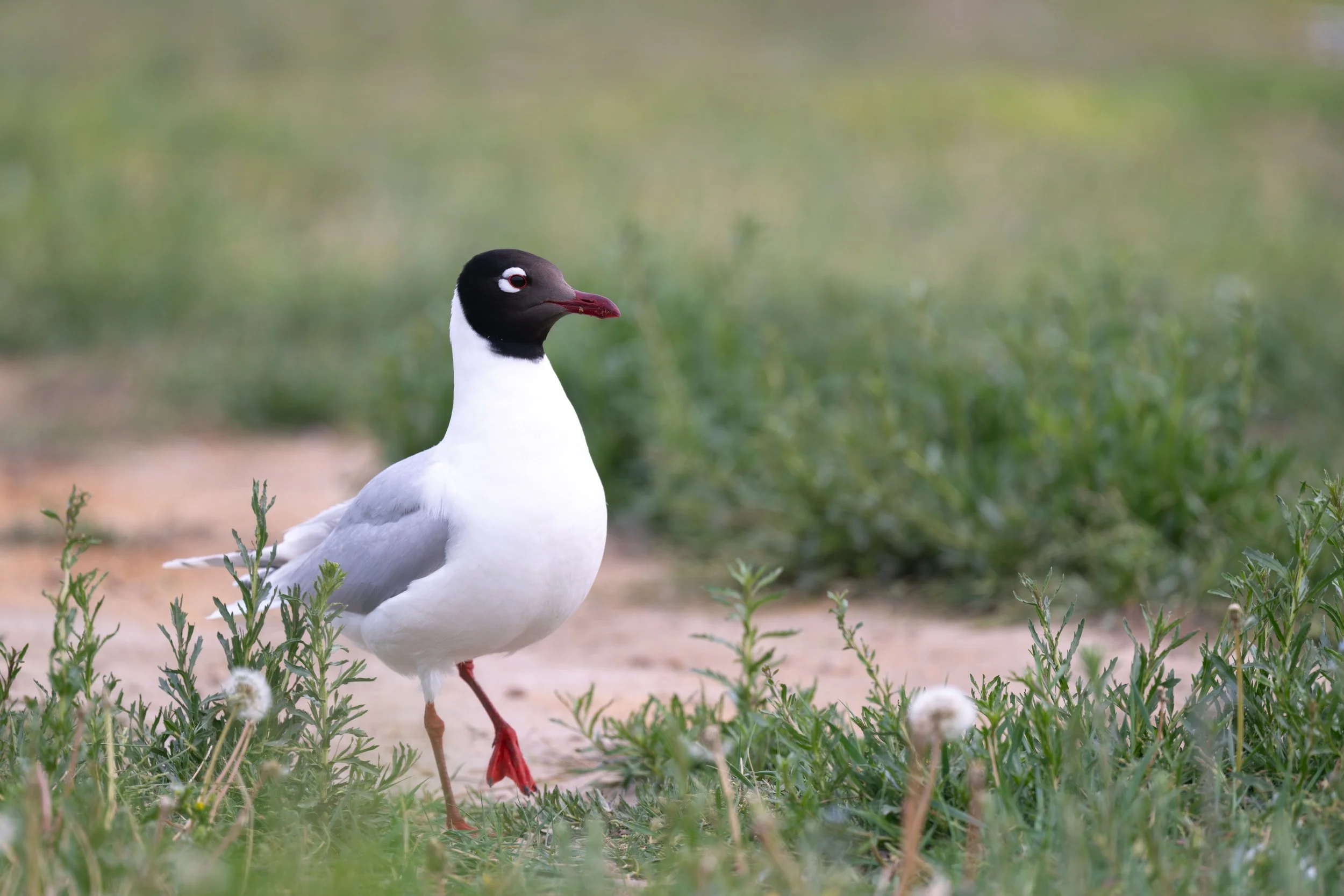
Relict Gull (Ichthyaetus relictus)
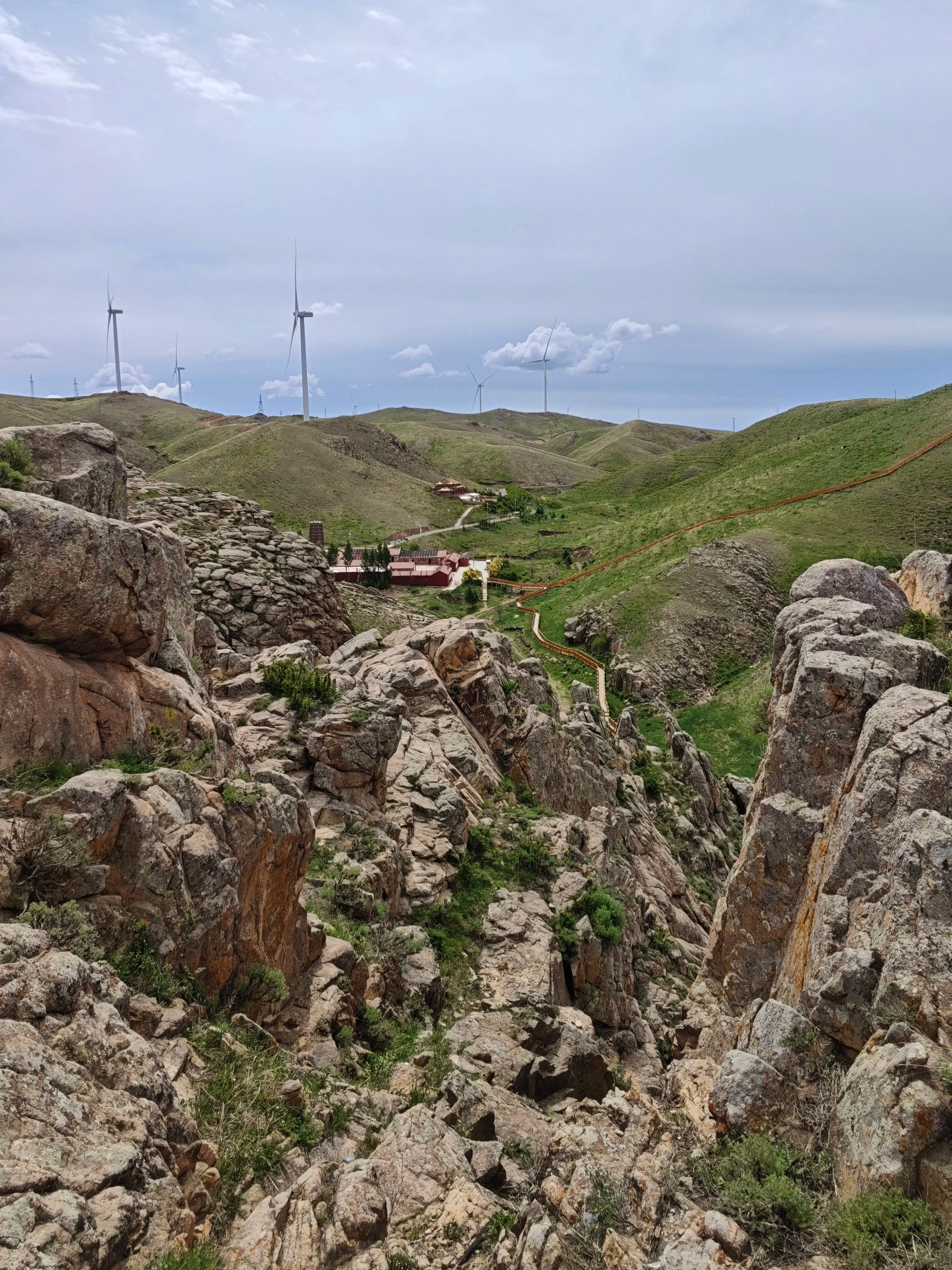
Habitat of Nantianmen
Date: 6 June 2026
Location: Kangbao, Hebei
Guide: Xinchen Bu
Introduction: Kangbao lies at the border between Hebei and Nei Mongol (Inner Mongolia). Every year, over half of the world’s Relict Gull population gather at Kangba Nur Wetland Park to breed, making it the ideal place to observe this remarkable species. The arid mountains surrounding the town are home to other central Asian species, such as Common (White-backed) Rock Thrush, Black Redstart, and Rock Sparrow. Due to its proximity, cool climate and exotic avifauna, Kangbao has become an increasingly attractive weekend option for summer birding around Beijing.
Day 0: We drove from Beijing to Kangbao in the evening (4 hr) and had a rest. Another option is to take the CRH train from Beijing to Zhangjiakou (1 hr), then rent a car and drive to Kangbao (2 hr).
Day 1: In the morning we went straight to Kangba Nur Wetland Park just outside the town in order to see the Relict Gulls and other wetland birds. Local conservation volunteers fed the gulls every morning, therefore the birds were so (incredibly) near that you can use your phone to take very good photos. Besides Relict Gull, other species such as Brown-headed Gull, Swan Goose, Daurian Jackdaw and (Eastern) Rook can also be observed. Because we had only one day, we didn’t stay at Kangba Nur for very long before we went to our next destination.
After leaving Kangba Nur, we drove to Nantianmen (Southern Heavenly Gate) Scenic Spot (40 min). Along the way we saw Oriental Greenfinch, Hawfinch and Northern Wheatear. Nantianmen is basically a rocky valley with some temples and a stream flowing pass. The administrators built plank roads in the valley which were pleasant to walk along. As we went deep inside, there were Chukar Partridge, Ruddy Shelduck, White-cheeked Starling, Eurasian Hoopoe, Fork-tailed Swift, Red-billed Chough, Pied Wheatear, Blue Rock Thrush, and of course our main targets, the Rufous-tailed Rock-Thrush, Black Redstart, and Rock Sparrow, all of which were breeding on the cliffs. Before noon we accomplished all our target species and decided to head back.
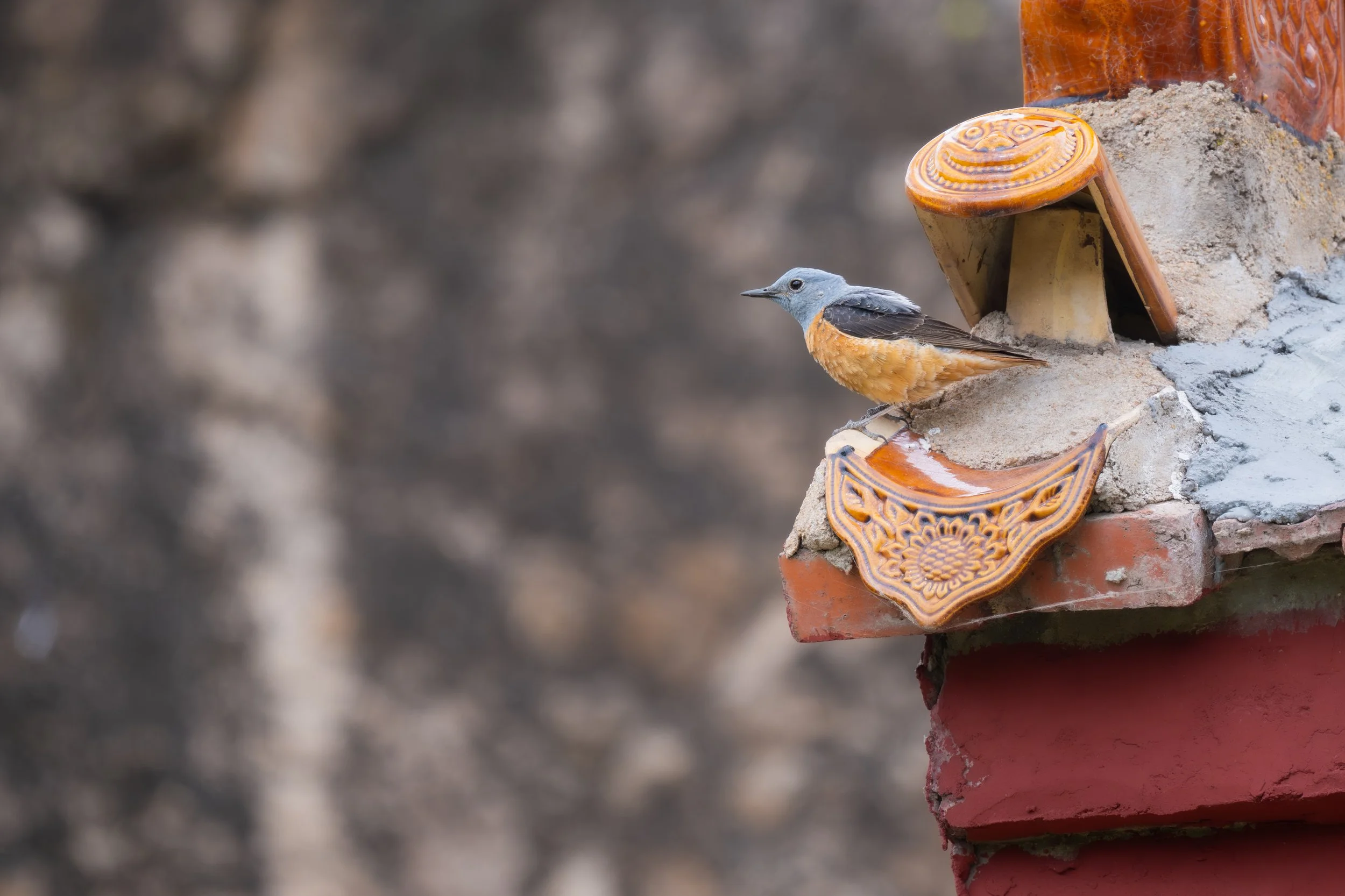
Rufous-tailed Rock-Thrush (Monticola saxatilis)
In the afternoon we drove back to Zhangjiakou (2.5 h) and had dinner. The city is famous for its combination of agricultural and nomadic culture, and one of the most characteristic local specialty was the mushroom imported from the steppes of Inner Mongolia. Because our driver decided to stay for another day, in the evening we took the CRH train back to Beijing.
