
Nonggang & Napo, Guangxi, 2023/01
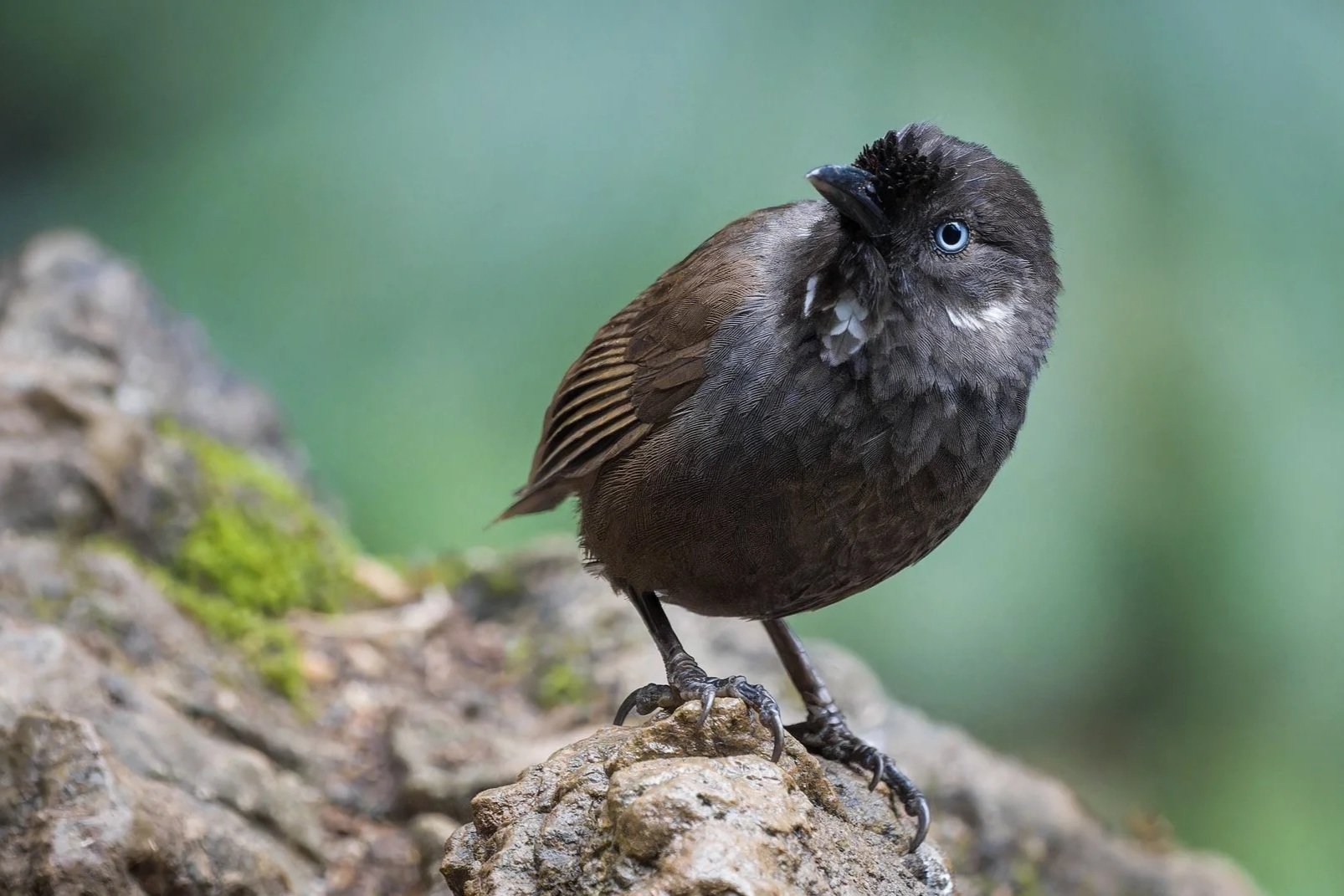
Nonggang Babbler (Stachyris nonggangensis). Discovered and formally described in 2008, this Chinese endemic is famous for its beautiful pale blue eyes and preference for limestone forest habitats.
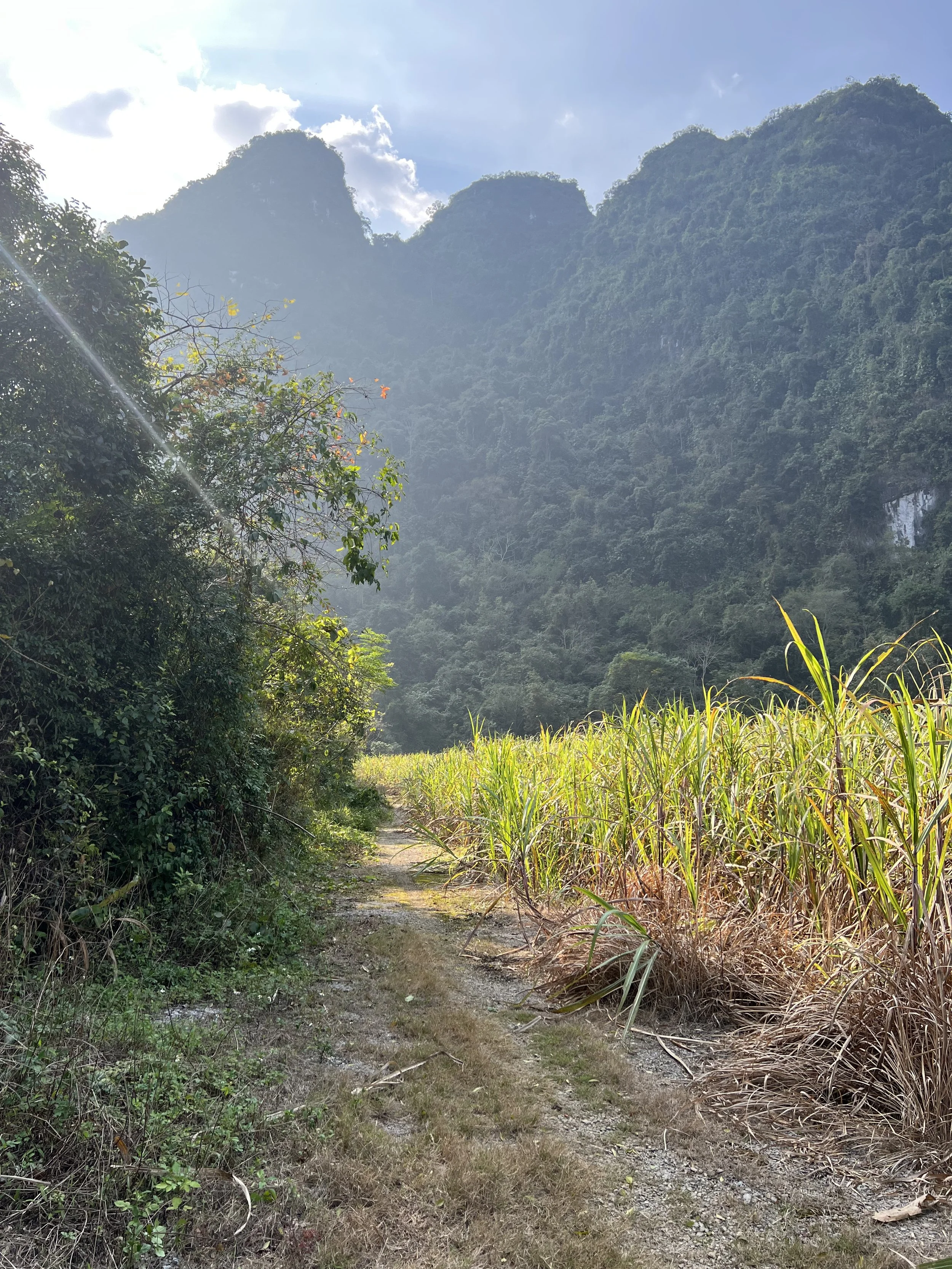
A typical landscape of Nonggang, where farmland and human settlements are interspersed with remnant forest patches scattered among limestone karst hills.
Date: Jan 4-8, 2023
Location: Nonggang and Napo, Guangxi
eBird Trip Report: https://ebird.org/tripreport/532130
Guide: Wenjia Chen, Allen Xue
Introduction: Guangxi Zhuang Autonomous Region lies in southwest China. Nonggang and Napo are situated in the southwestern part of Guangxi, close to the China–Vietnam border, within the broader karst landscape of southwestern Guangxi. This tropical and subtropical border region supports exceptionally high biodiversity and is one of the most distinctive birding areas in southern China. Nonggang provided some of the region’s most iconic karst forest birds, including the highly localized Nonggang Babbler, while Defu Nature Reserve added a different suite of forest and montane species.
Birding around Nonggang and Napo usually combines bird blinds with field birding along forest trails, roadsides, and other suitable habitats. Within and around the protected areas, bird blinds have become important ecotourism facilities and also provide a valuable source of income for local communities. They are especially useful because many of the region’s key forest birds are extremely secretive and difficult to observe in the wild. At well-managed blinds, however, some of these species can be seen with much greater reliability.
Night birding is also an important part of the itinerary. In addition to nocturnal birds, night birding in this region often produces a wide variety of interesting insects, amphibians, and reptiles.
The bird diversity here is very high and includes many species with strong regional character. However, identification can be challenging, especially when large numbers of small passerines appear together, including babblers, warblers, tit-babblers, bulbuls, and Erpornis, Minla, Niltava, etc.
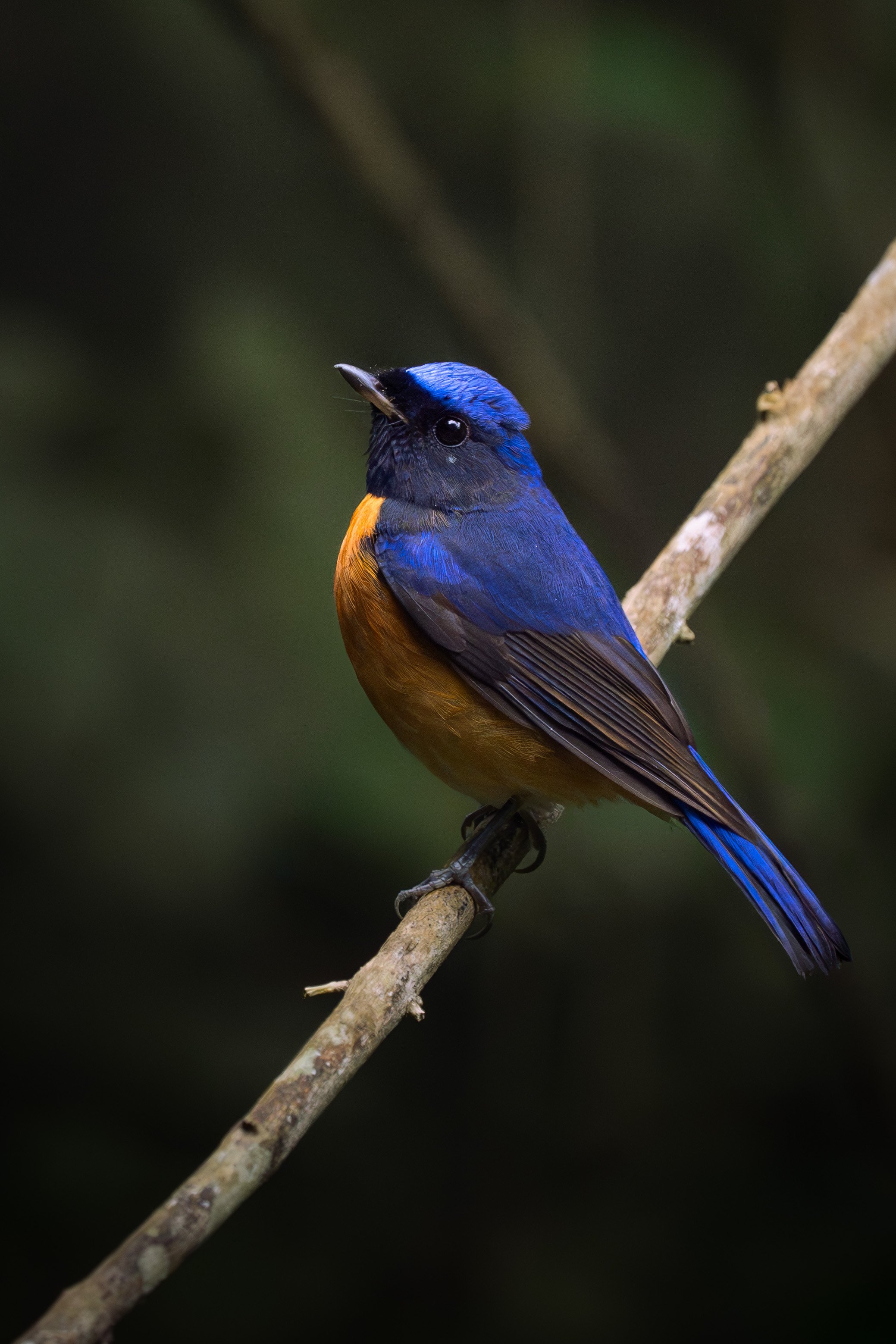
Fujian Niltava (Niltava davidi)
D1-3:Nonggang
During the first three days, we birded in the Nonggang area. Nonggang is a classic karst mountain landscape, with limestone hills, forested valleys, and village-edge habitats. Our birding here focused mainly on several different bird blinds operated within local communities, supplemented by some field birding and night walks.
Birding tourism in Nonggang is relatively well developed. We stayed at a guesthouse run by a local birding guide, who coordinated our visits to different blinds. As each blind has limited capacity, usually around four to eight people, local coordination is essential when multiple birding groups are present. The guide also delivered lunch to us at the blinds each day, allowing us to maximize time in the field and avoid missing key target species.
One of the major highlights in Nonggang was the opportunity to reliably observe Nonggang Babbler, a highly localized species described only in recent years and known from a very restricted range.
Target species: Nonggang Babbler, bar-backed Partridge, Blue-rumped Pitta, Gray-bellied Tesia,David’s Fulvetta, Fujian Niltava, Lesser Shortwing, Streaked Wren-Babbler, Asian Barred Owlet, Collared OwletCollared Scops-Owl, White-winged Magpie, Indochinese Green-Magpie, Large Scimitar-Babbler, Spot-necked Babbler, Bianchi’s Warbler, Brown Crake, Cinnamon Bittern, Yellow-eyed Babbler, Chestnut-capped babbler, Silver Pheasant, Red-headed Trogon
On the evening of Day 3, we drove to Napo County and stayed overnight in Napo town.
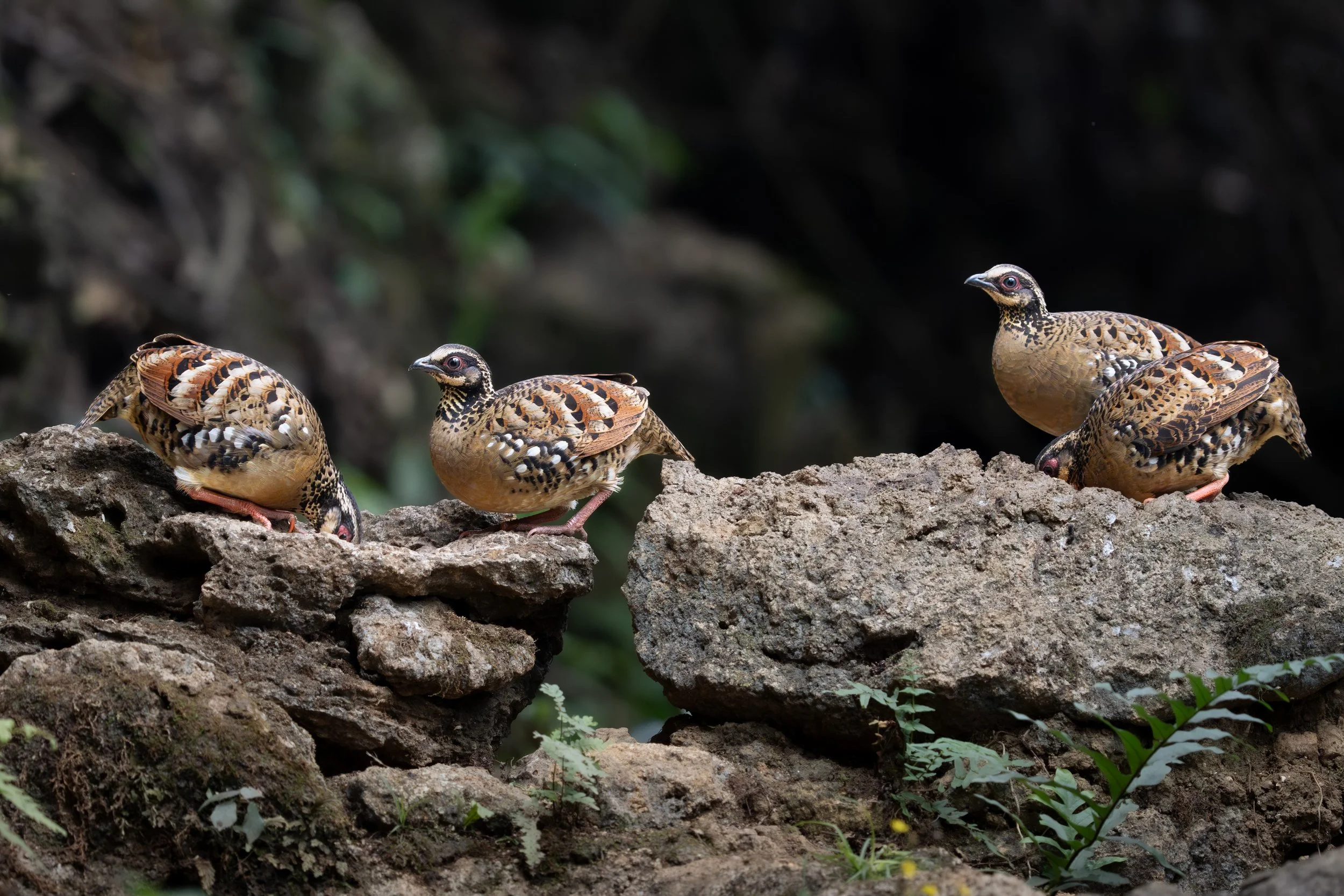
Bar-backed Partridge (Arborophila brunneopectus)
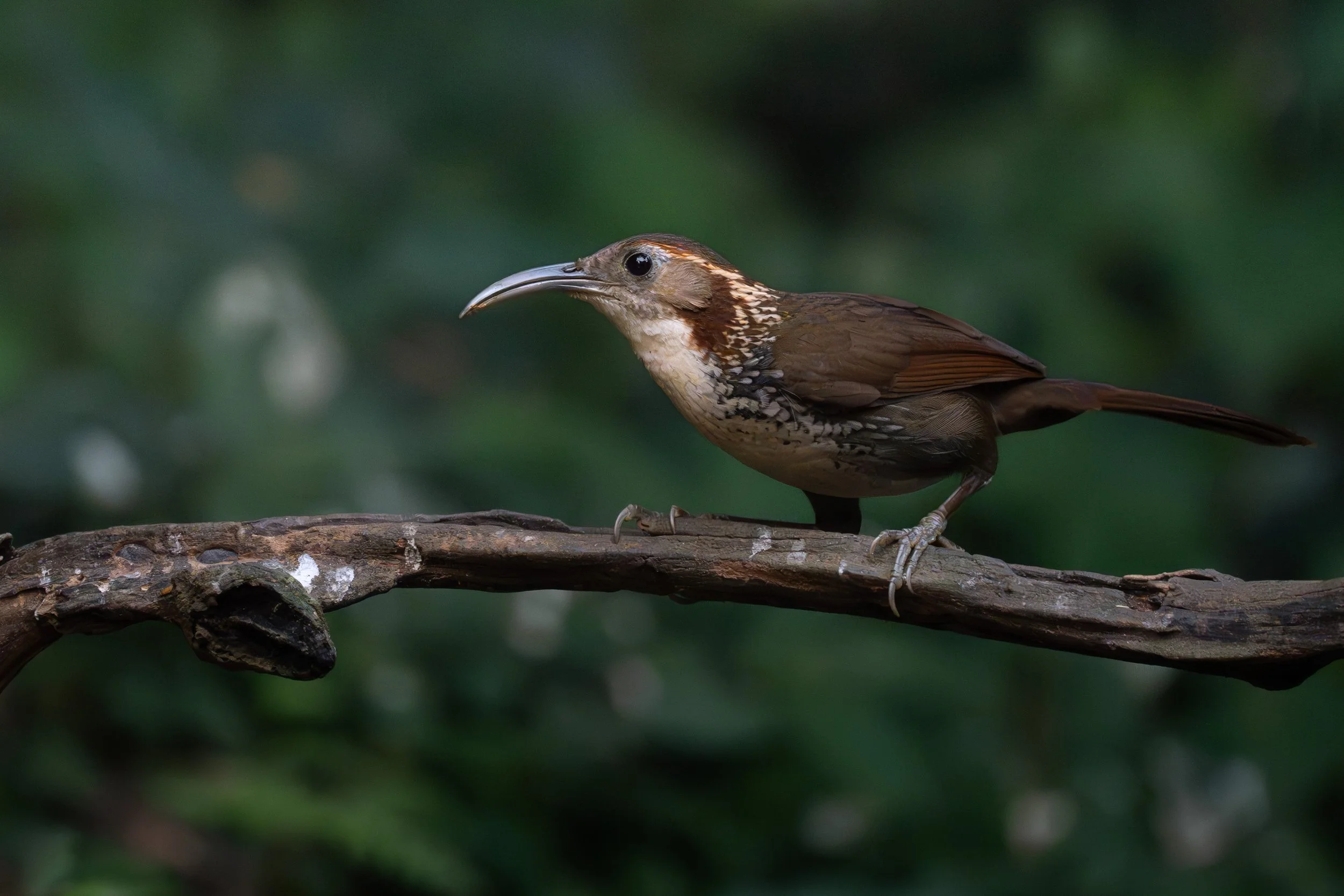
Large Scimitar-Babbler (Erythrogenys hypoleucos)
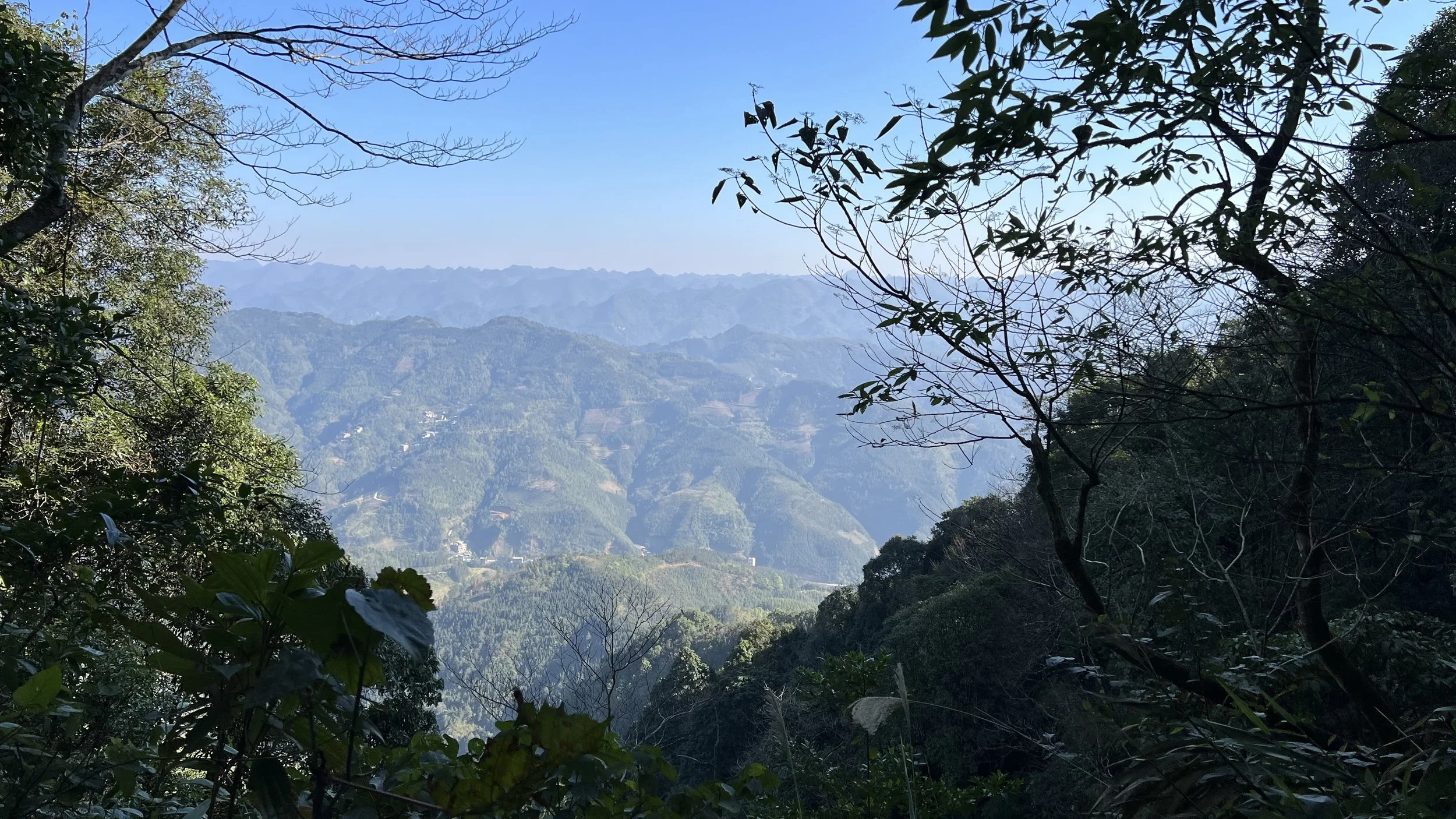
The habitat of Napo. Compared with Nonggang, the landscape here is noticeably different, with more continuous and less fragmented forest covering the limestone hills.
For the final two days, we were based at a hotel in Napo town. Each morning, our local guide picked us up from the hotel and took us into Defu Nature Reserve for birding, before returning us to town in the evening.
Compared with Nonggang, the forest in Defu is taller, denser, and more extensive. The bird community is also noticeably different, with a stronger montane forest character.
D4: Bird blind and nearby forest birding
On our first day in Defu Nature Reserve, we focused mainly on a bird blind and the surrounding forest. This gave us excellent opportunities to look for several of the area’s most sought-after forest species.
Target species: Red-tailed Laughingthrush, Black-headed Sibia, Spectacled Barwing, Scarlet-faced Liocichla, Rusty-capped Fulvetta, Golden-throated Barbet, Bay Woodpecker, Gray-headed Parrotbill.
D5: Full-day field birding
On the second day in Defu, we spent the full day birding more widely inside the reserve. This allowed us to cover a broader range of habitats and elevations, increasing our chances of encountering species not easily seen from the blinds.
Target species: Spot-breasted Parrotbill, Hill Prinia, Indochinese Yunhina, Collared Finchbill, Silver-eared Mesia.
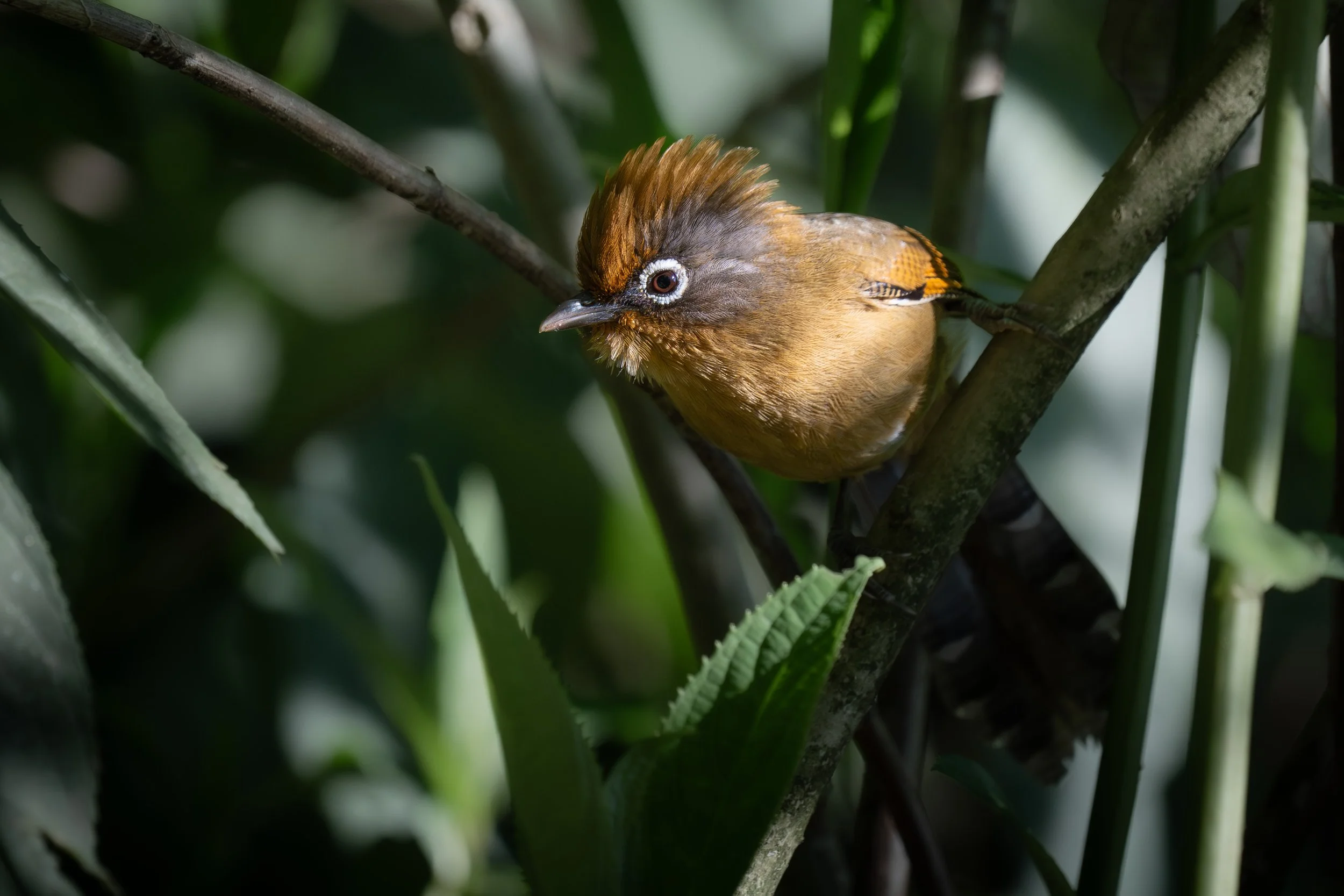
Spectacled Barwing (Actinodura ramsayi)
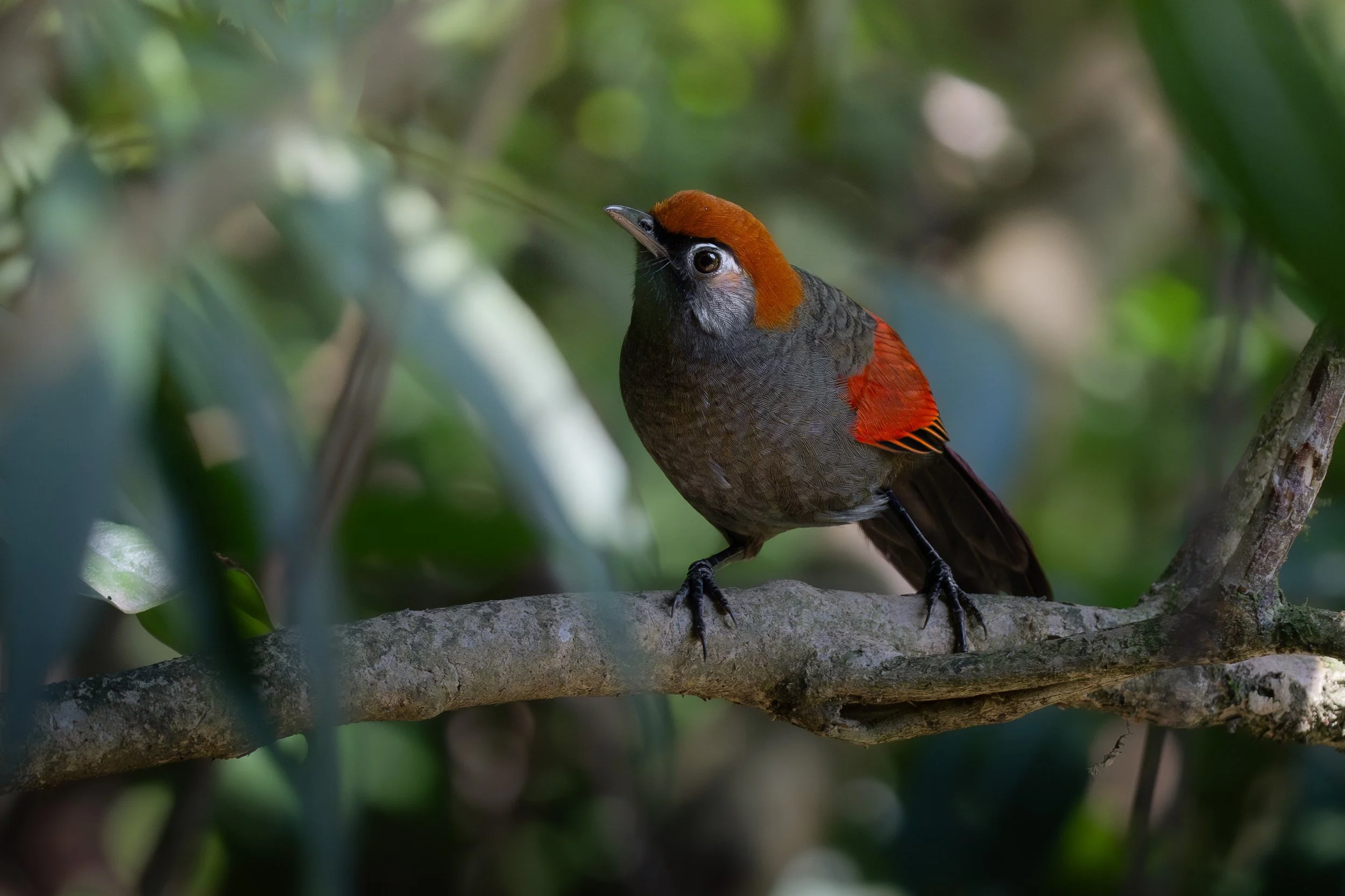
Red-tailed Laughingthrush (Trochalopteron milnei)
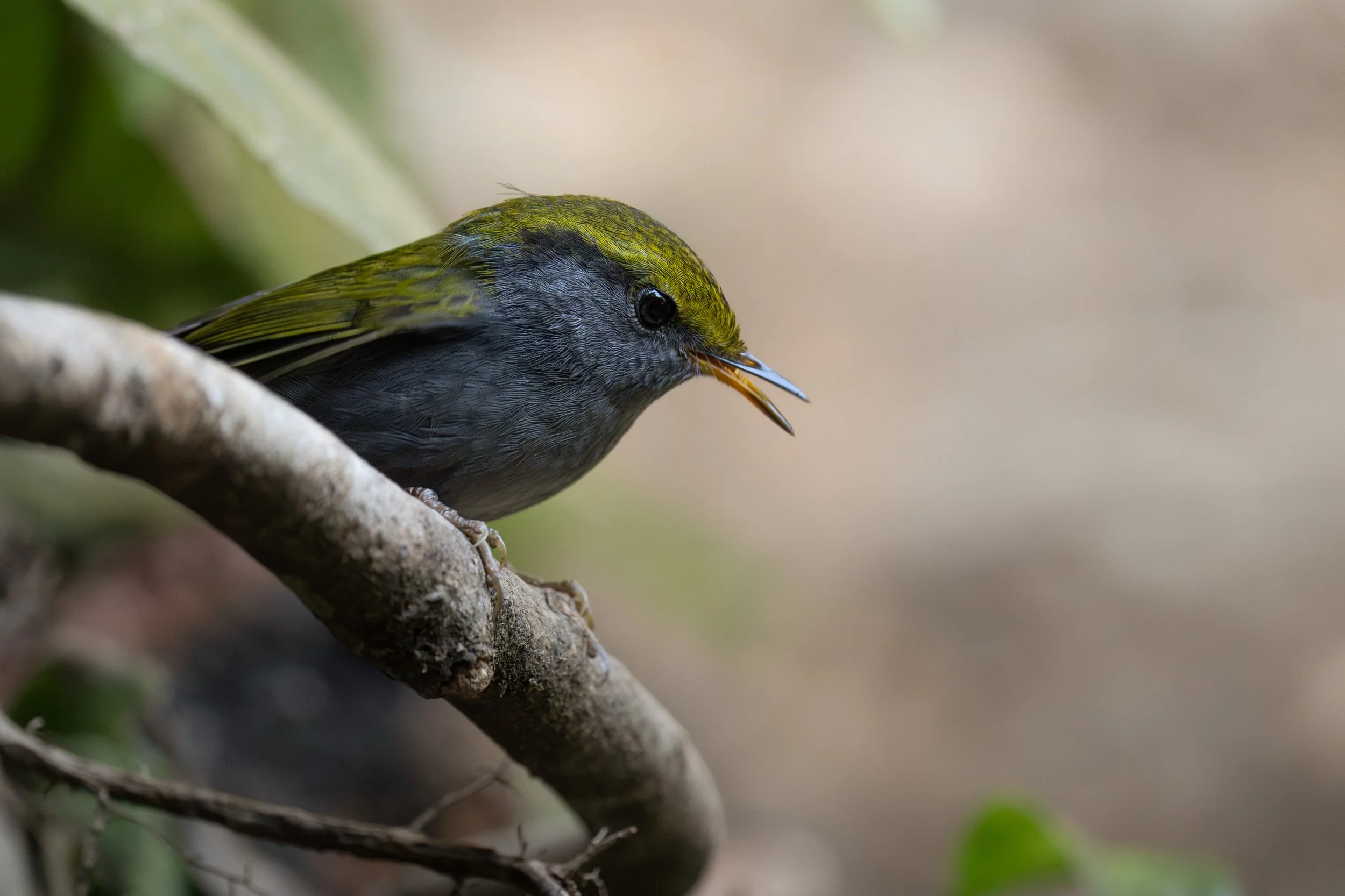
Gray-bellied Tesia (Tesia cyaniventer)
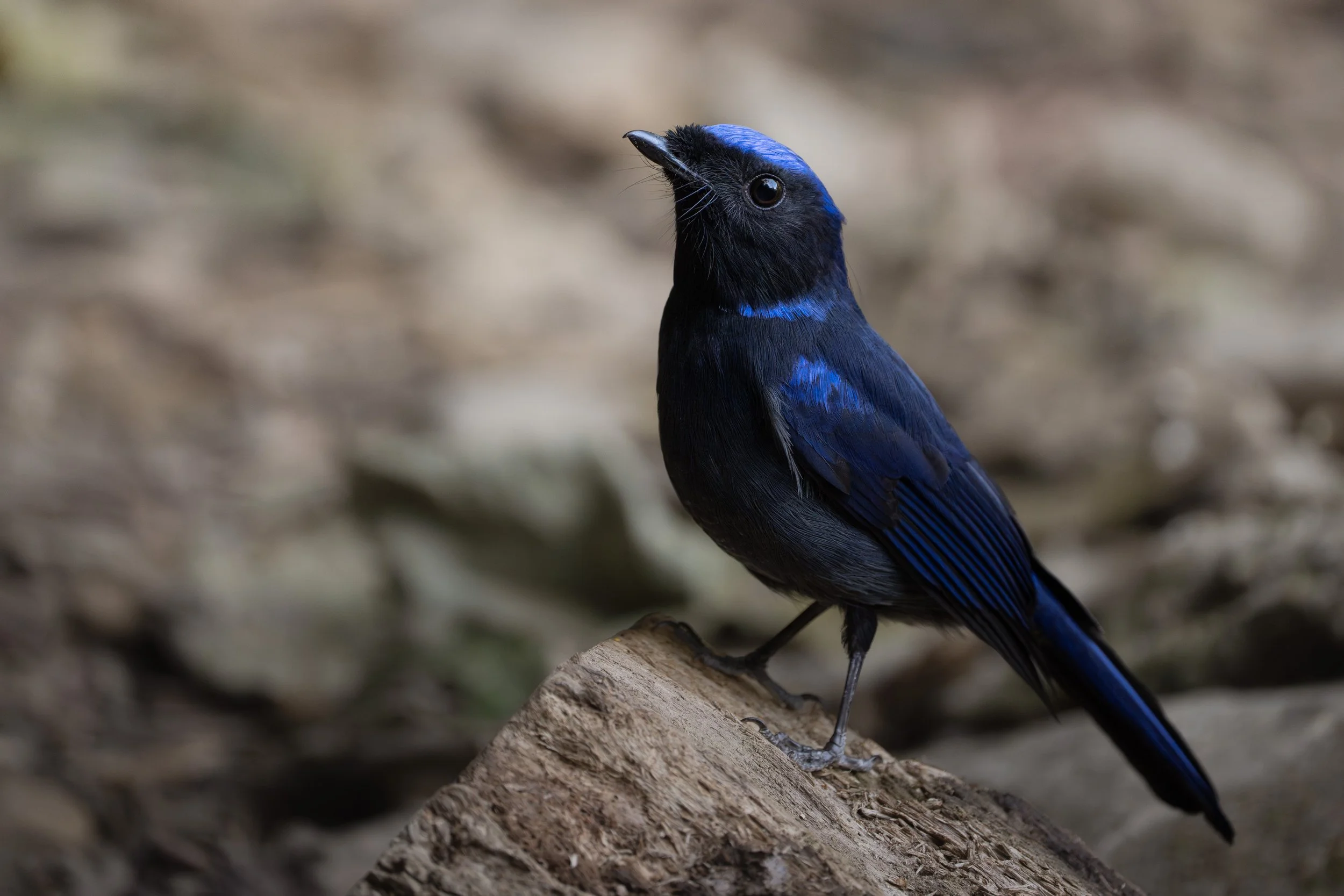
Large Niltava (Niltava grandis)
